Company News2026/06/13
New Port Successfully Passes IATF16949 Re-certification Audit
Company News2026/03/02
What is a car wiring harness? What is the function of a car wiring harness?
What is a Car Wiring Harness?
A car wiring harness, also known as a wire harness or cable assembly, is the central nervous system of a vehicle’s electrical and electronic components. It is a bundled assembly of wires, connectors, terminals, and protective materials designed to transmit power, signals, and data between various electrical systems and components. Without a wiring harness, modern vehicles would be unable to coordinate critical functions, from engine management and lighting to infotainment and advanced driver assistance systems (ADAS).
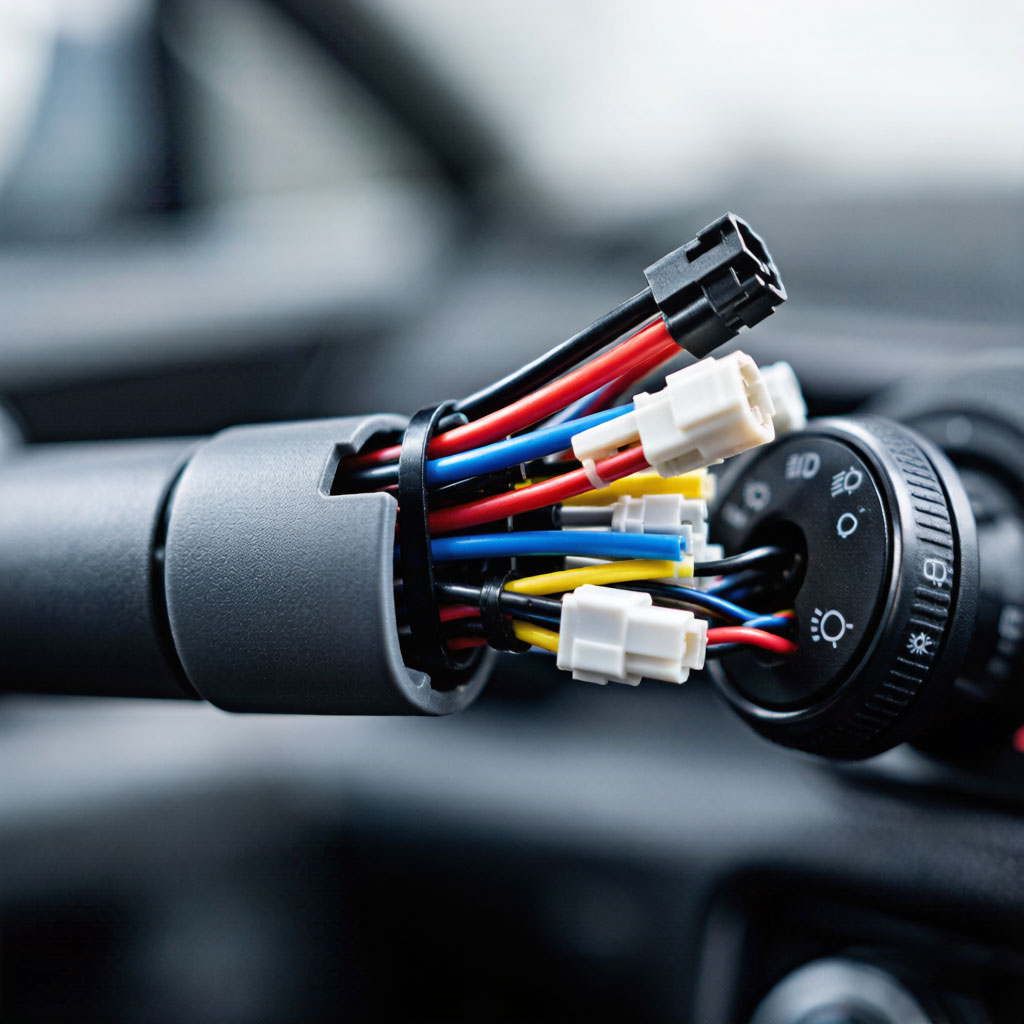
A typical automotive wiring harness includes:
Early vehicle harnesses were simple, with fewer than 50 wires. Today, luxury or electric vehicles (EVs) may contain over 5,000 wires spanning several kilometers, due to:
Harness production involves automated cutting, stripping, crimping, and testing processes. Quality standards (e.g., ISO 6722, IPC/WHMA-A-620) ensure resistance to temperature extremes, vibrations, and corrosion. Defects can lead to critical failures—hence rigorous electrical and mechanical testing is essential.
The car wiring harness is a foundational yet evolving technology, enabling vehicles to become smarter, safer, and more efficient. As automotive innovation accelerates—toward electric, connected, and autonomous systems—the wiring harness will continue to adapt, balancing complexity, reliability, and performance.
Company News2026/06/13
New Port Successfully Passes IATF16949 Re-certification Audit
Company News2026/03/02
Warm congratulations to DongGuan New Port Electric Co., Ltd. for successfully obtaining the DCMM certification.

Company News2026/03/02
Warm congratulations to Dongguan Newport Electric Co., Ltd. on winning the SHINRY Efficient Delivery Award.



Copyright © 2025 NPT Group.All rights reserved


